


| 05.04.2024 |
| Extraktivismus, Klima/Biodiversität, Landnahme |
Policy paper
LETZTE HOFFNUNG BELÉM?
„FDCL-Briefing 1“ zur brasilianischen Umwelt- und Klimapolitik

Die Klimakonferenzen der letzten Jahre waren eher frustrierende Veranstaltungen. Kaum Fortschritte, ein wachsender Einfluss der fossilen Lobby. Es scheint, dass der Klimawandel stärker voranschreitet als seine Bekämpfung. Auch die Tendenz, Klimaverhandlungen in autoritär regierten Ölstaaten zu veranstalten, trägt nicht zu Ermutigung bei.
Und zudem droht die globale Umweltkrise in der allgemeinen Aufmerksamkeitskonkurrenz an Boden zu verlieren. Die Kriege in der Ukraine und im Nahen Osten sowie das Erstarken rechtsradikaler Tendenzen in Europa drängen die Klimaagenda in den Hintergrund. In Deutschland kommt eine restriktive Haushaltspolitik hinzu, die den Spielraum für Klimapolitik bedenklich einschränkt.
In dieser Situation wird Belém zu einem Ort der Hoffnung. In der brasilianischen Amazonasmetropole wird im November 2025 die COP 30 der Klimakonvention stattfinden. Die Wahl des Ortes ist ein politisches Signal und hat großen symbolischen Wert. Amazonien und die tropischen Regenwälder der Welt spielen eine zentrale Rolle in der internationalen Klimapolitik, denn Entwaldung ist ein wichtiger Treiber sowohl der Klimakrise als auch des Biodiversitätsverlustes und bedroht den Lebensraum indigener Völker und traditionellen Gemeinschaften. Und zum ersten Mal wird eine Klima-COP in dieser Region stattfinden.
| 28.03.2024 |
| Globales Lernen, Menschenrechte |
LUCHADORAS
novela gráfica (versión en español)

En la isla caribeña hondureña de Roatán y en Bogotá, la ruidosa y gris capital de Colombia: dos mujeres buscan su camino y se enfrentan a las estructuras patriarcales y a las desigualdades sociales.
En dos capítulos, la novela gráfica sigue las vidas de Melissa Martínez, una activista por los derechos de las afroindígenas garífunas de Honduras, y Lina Prieto, una activista de medios de comunicación alternativos de Bogotá.
| 28.03.2024 |
| Globales Lernen, Menschenrechte |
Buch
LUCHADORAS - KÄMPFERINNEN
Graphic Novel (Deutsche Version)

Auf der honduranischen Karibikinsel Roatán und in Bogotá, der lauten grauen Hauptstadt Kolumbiens: Zwei Frauen suchen ihren Weg und nehmen es mit patriarchalen Strukturen und gesellschaftlichen Ungleichheiten auf.
Die Graphic Novel begleitet in zwei Kapiteln den Lebensweg von Melissa Martínez, Aktivistin für die Rechte der afro-indigenen Garífuna aus Honduras und Lina Prieto, Medienaktivistin aus Bogotá.
| Di, 12.03.2024 |
| Handel, Klima/Biodiversität, Landwirtschaft, Rohstoffe |
Beitrag
70 NGOs fordern eine ökologische und sozial gerechte EU-Bioökonomie-Strategie
Bremen, Brüssel – 12. März 2024 Aus Anlass der bevorstehenden Überarbeitung der EU-Bioökonomie-Strategie fordern 70 NGOs – darunter das FDCL – in einem heute veröffentlichten Positionspapier eine Bioökonomie, die sowohl ökologisch nachhaltig als auch sozial gerecht sein muss. Die unterzeichnenden Organisationen betonen, dass sich dafür der Fokus der Bioökonomiestrategie grundlegend ändern muss. Die aktuelle Verschwendungs-Wirtschaft … weiterlesen
| Mo, 19.02.2024 |
| Uncategorized |
Beitrag
Auf dem Weg zur Klima-COP30 in Belém

FDCL-Briefings zur brasilianischen Umwelt- und Klimapolitik Die Austragung der COP 30 der Klimakonvention im November 2025 in Belém rückt die Stadt und Brasilien in den Fokus der Weltöffentlichkeit. Auch wenn eine gewisse Ermüdung und Desillusionierung über den internationalen Klimaprozess nicht zu übersehen ist – Belém wird noch einmal alle Kräfte mobilisieren. Die Wahl des Ortes … weiterlesen
| Di, 13.02.2024 |
| Bergbau, Handel, Konzernkritik, Menschenrechte, Rohstoffe |
Pressemitteilung
Kupferkonzern missachtet Menschenrechte und verweigert Transparenz in seiner Lieferkette
Zur Aurubis-Hauptversammlung am 15. Februar 2024
Pressemitteilung vom 13. Februar 2024 Aurubis feuert 3 von 4 Vorständen wegen Millionendiebstählen Trotzdem dürfen die Aktionär*innen nicht über die Entlastung des Vorstands abstimmen Menschenrechtsverletzungen und Umweltzerstörung in Aurubis’ Lieferkette Lieferkettengesetz-Beschwerde wegen Importen aus illegaler Mine in Panama Online-Veranstaltung am 14.02. von 19:00 bis 20:30 Uhr Neun Nichtregierungsorganisationen kritisieren, dass Aurubis auf der Hauptversammlung … weiterlesen
| Mo, 12.02.2024 |
| Landwirtschaft |
Beitrag
Trendwende für Agrarökologie?
Zwischenbilanz zur Halbzeit der Ampelregierung Anlässlich der Halbzeit der Ampel-Koalition blicken 43 Organisationen und Verbände auf die Arbeit der Regierung in puncto globale Landwirtschaft und Agrarökologie. Wie hat die Bundesregierung die im Koalitionsvertrag gesetzten Weichen bisher genutzt? Download Bilanzpapier Agrarökologie
| Mo, 22.01.2024 |
| Bergbau, Konzernkritik, Menschenrechte, Rohstoffe |
Beitrag
Offener Brief: Besorgnis über die Situation der Yukpa in Kolumbien
Etwa 40 Organisationen und Gruppen sowie 90 Einzelpersonen aus Deutschland haben einen Offenen Brief (spanische Version und englische Version) an den kolumbianischen Präsidenten Gustavo Petro unterschrieben. Sie fordern die aktuelle Regierung zur Umsetzung eines Urteils des kolumbianischen Verfassungsgericht auf (Sentencia T-713 de 2017), das die Demarkierung des angestammten Territoriums der indigenen Yukpa anordnete. Auf den … weiterlesen
| Mo, 22.01.2024 |
| Bergbau, Konzernkritik, Menschenrechte, Straflosigkeit |
Beitrag
100+ Organizaciones exigen a Honduras respetar decisión del Pueblo de Tocoa de decir NO al megaproyecto minero
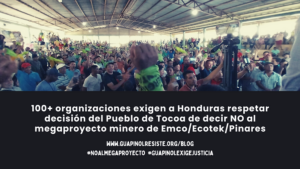
Más de 100 organizaciones nacionales e internacionales exigen a las autoridades hondureñas respetar la decisión del Pueblo de Tocoa de decir NO a la termoeléctrica de coque de petróleo y al megaproyecto minero de Emco, entre otras exigencias. Consulte aquí la lista completa de firmantes. El sábado 9 de diciembre de 2023, el pueblo de … weiterlesen
| 16.01.2024 |
| Konzernkritik, Landnahme, Menschenrechte, Multimedia |
Audio
“Árboles que matan”
La defensa de los territorios indígenas ante el avance de las empresas forestales, entre ellas la multinacional Arauco.
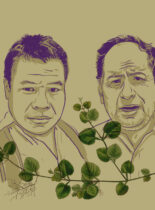
Les invitamos a escuchar nuestro podcats „árboles que matan“, acerca de la lucha de dos comunidades afectadas por monocultivos industriales de pinos y eucalyptus pertenecientes a grandes empresas forestales como la transnacional Arauco.